All Categories
Featured
Table of Contents
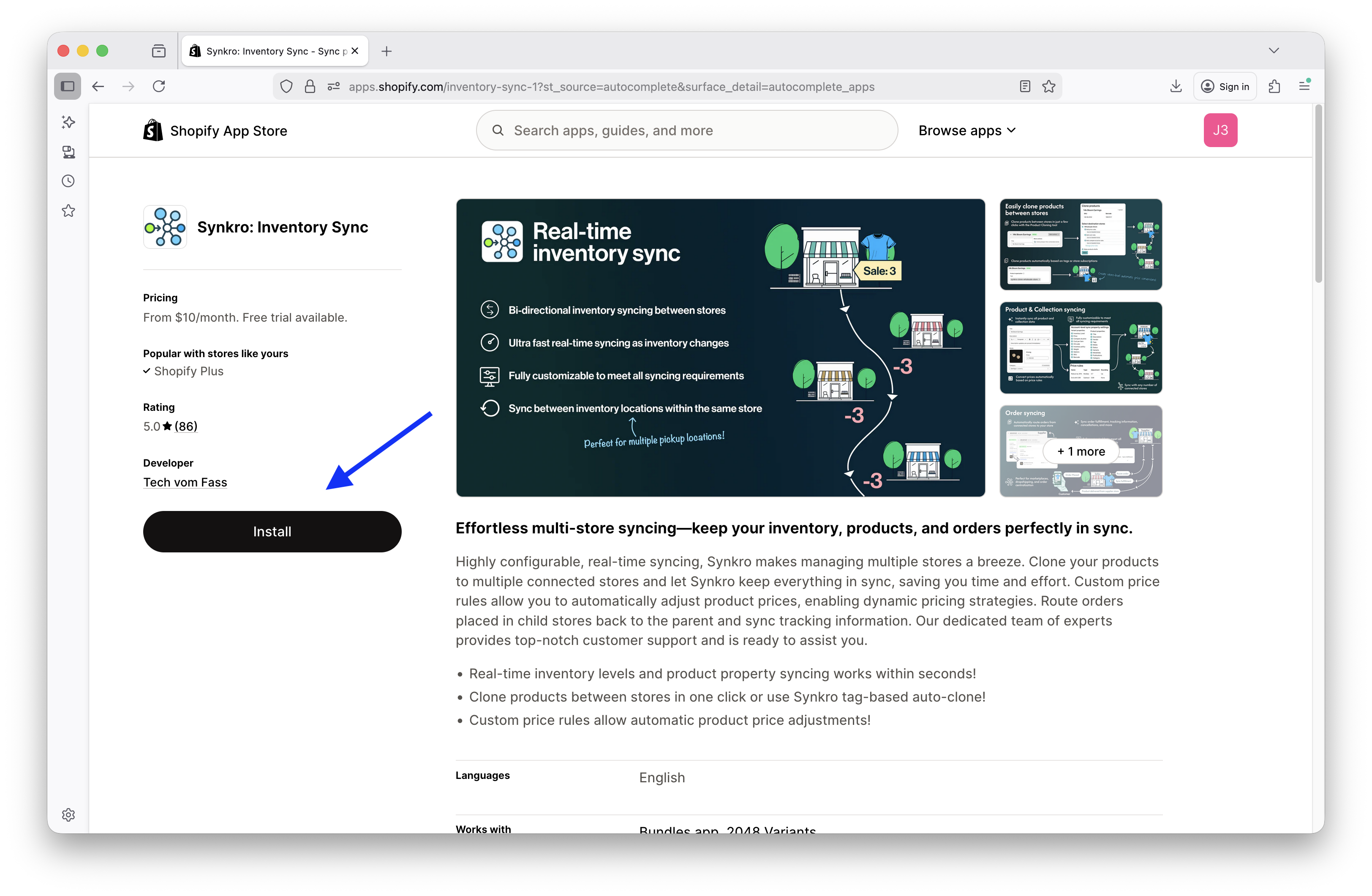
Don't worrywe have actually done the legwork for you and collected just the finest Shopify stock management apps for 2023. Automatic updates with every order, refund, restock, or cancellationSynchronize inventory levels and product fields across locationsComplete multi-location supportMulti-Store Sync Power is an all-in-one app for integrating inventory across numerous stores. Its structured, automatic synchronization can quickly enhance your efficiency by guaranteeing your stock is the same in every shop.
Optimizing Real-Time Inventory Sync for All Channels
Multi-Store Sync Power impressed us with its user-friendly method to simplifying stock management. Display items throughout several storesAutomatically push orders to source storesA helpful tool for Shopify merchants who have multiple shops, Syncio is an app that allows you to sync products with stock and update their attributes in a couple of clicks.
Syncio is worthy of appreciation for enhancing order management. Its auto-sync function saves time syncing your destination store orders to your preferred source stores, permitting you to centrally handle and fulfill them. Easily upgrade product attributesConnect to unrestricted Shopify storesRevenue splits in between synced stores Auto-sync between offline and online channelsVarious payment optionsScan and print barcode labelsConnectPOS is a cloud-based POS service that synchronizes information in genuine time between online and physical stores.
As products are sold and restocked, the app's real-time inventory updates produce a smooth omnichannel experience. We primarily like ConnectPOC for two of its features: data centralization and flexible payments. The app's auto-syncing and multiple payment features enable for a smooth omnichannel retail operation. And we also enjoy that the app has an offline mode, permitting merchants to process payments anywhere, anytime.
This stock sync app tool can automatically produce orders on your shop and invoice the retail store through Shopify. Plus, it's simple to set up, even for non-techies. We find SyncLogic is a genuinely standout app for merchants who are checking out the option of wholesaling. With automated stock management and order production, the app streamlines store operations and makes Shopify product organization and service management simpler.
Benefits of Live Inventory Syncing Across Sales Platforms
That's where Ampiflow Multi Store Sync shinesthe app lets you sync stock in real time to all your connected shops. Not lots of inventory apps use a way to sync stock in between partner shops. We like that Ampiflow uses this function, in addition to the ability to include complementary products and in-cart suggestions from brand name partners.
This app lets you synchronize your Shopify items with Clover in real time across multiple places. Apart from stock, CloverSync can likewise integrate or move numerous other information such as barcodes, SKUs, prices, and unit costs. CloverSync makes it easy to integrate stock and information across multiple places, making it a valuable tool for multi-store businesses.
Automatic SKU creationProduct and client syncing30-day money-back warranty Bundles inventory updatesPurchase order automationStock alerts and reportsInventory Management & Bundles has earned a spot on our list since of its capability to auto-update item packages and integrate inventory throughout multiple channels. With this tool, you can easily upgrade bundles and know when to acquire stock based on preparation and alert limits.
Real-Time Inventory Sync across Various Sales ChannelsScaling Multi-Channel Distribution Strategy Using Smart Logistics
We specifically like the app's in-depth stock logs that track all motion of products, whereas purchase orders help watch on your incoming stock. You can even save catalog to make sure precise rates techniques in the future. Easy to useOffers multi-channel sync30-day free trialMore pricey than other optionsSyncing can take a while Reliable inventory sync can make or break your company.
That's why it's vital to select the very best Shopify apps, like the stock sync apps on our list, to enhance the process. At KeepShoppers, we utilized specific criteria and criteria to examine the Shopify apps for this list. Here's an introduction of our approach: We scored each app based on the level of designer friendliness and how easy the setup is.
That's where Ampiflow Multi Store Sync shinesthe app lets you sync stock in genuine time to all your linked shops. Few inventory apps provide a method to sync inventory in between partner stores. We like that Ampiflow provides this feature, along with the capability to add complementary products and in-cart recommendations from brand name partners.
WMS Upgrades to Master Unified Retail By 2026
This app lets you synchronize your Shopify products with Clover in genuine time throughout several locations. Apart from inventory, CloverSync can likewise synchronize or move different other details such as barcodes, SKUs, costs, and unit costs. CloverSync makes it easy to synchronize stock and details across multiple places, making it an important tool for multi-store businesses.
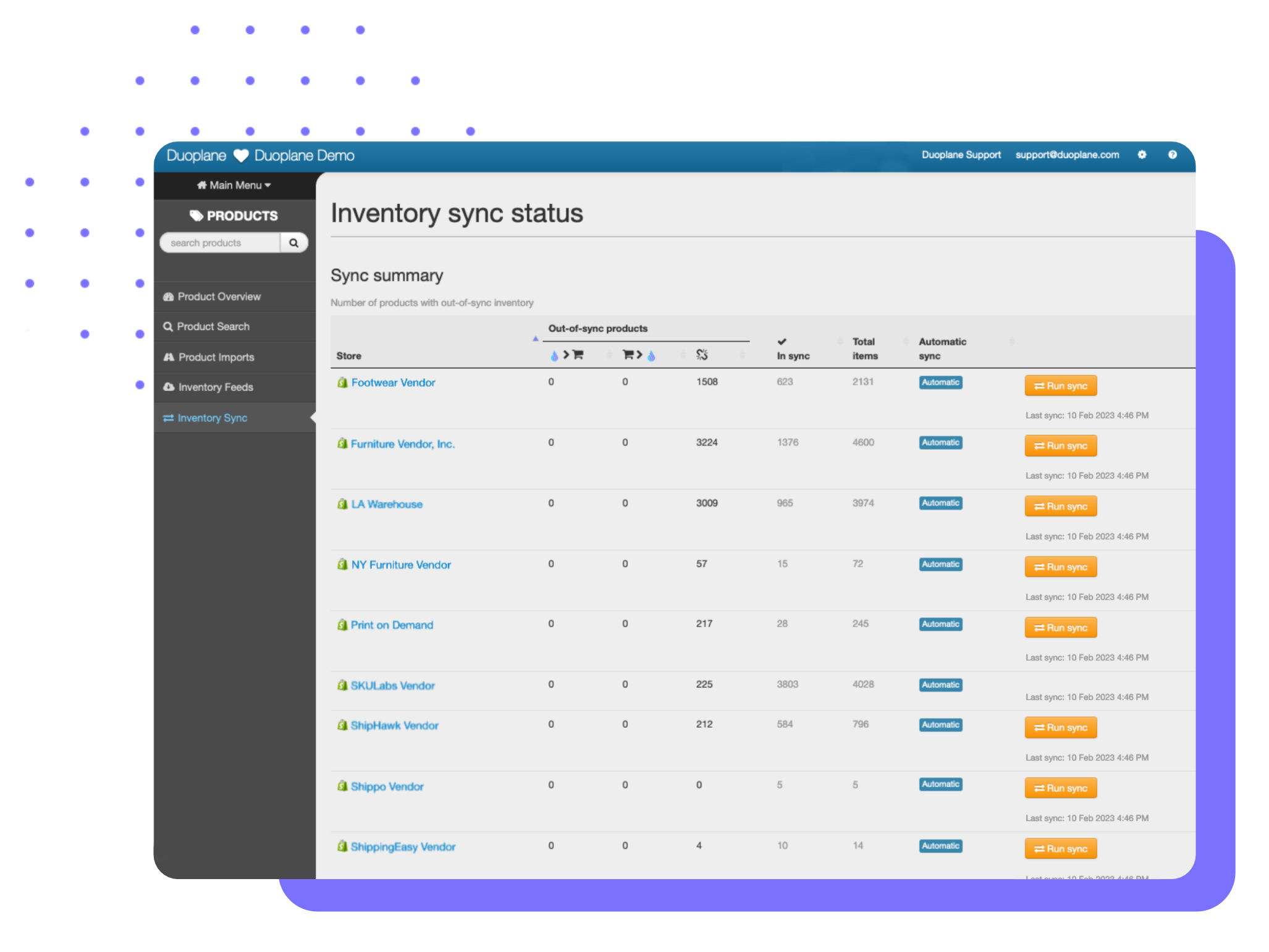
Automatic SKU creationProduct and client syncing30-day money-back warranty Bundles stock updatesPurchase order automationStock notifies and reportsInventory Management & Bundles has actually made an area on our list since of its ability to auto-update product bundles and integrate stock throughout multiple channels. With this tool, you can quickly update packages and know when to buy stock based on preparation and alert limits.
We particularly like the app's in-depth inventory logs that track all movement of items, whereas order help keep an eye on your incoming stock. You can even conserve price lists to ensure accurate pricing methods in the future. Easy to useOffers multi-channel sync30-day totally free trialMore pricey than other optionsSyncing can take a while Effective inventory sync can make or break your business.
Integrate Local Stock Nodes Into Automated Sales Workflows
, like the inventory sync apps on our list, to improve the process. At KeepShoppers, we used specific parameters and criteria to assess the Shopify apps for this list.

Latest Posts
Developing Scalable Fulfillment Strategies for the Future
Checklist to Syncing High-Volume Stock Through Digital Frontends
WMS Ready to Handle Multi-Platform Demand Surges?