All Categories
Featured
Table of Contents
Their inventory methods affect carriers and the whole supply chain by identifying who ships, when, and how quickly products reach shelves. The Inbound Ocean TEUs Index is below its 2021 high. Warehouses and ports are less strained but this stability hides active inventory planning driven by updated sales cycles and margin concerns.
Today's import flow shows vibrant replenishment and mindful analysis of turnover, not speculative ordering. Stock planning has ended up being a leading factor in freight activity because it now shapes how and when products move. Rather of blanket restocking, business built up safety stock in 2022, cut excess in 2023, and increased shops again in 2024 and 2025 based on seasonal forecasts.
Their option is tactical buying that aligns with current supply and need, frequently using analytics and real-time reporting. That cuts waste but also makes supply chains more responsive and more exposed to shifts, specifically when purchaser options alter rapidly.
Securing trustworthy shipping options and keeping some safety stock can secure margins and foot traffic, specifically throughout peak retail windows. Providers and brokers ought to monitor capability shifts, plan for seasonal rises and concentrate on dependability over low rates. Thin inventories put a premium on service quality and speed. For small stores or chains, it is very important to plan buys and develop vendor relationships that minimize shipping risk.
Essential Practices for Synchronizing Digital Inventory SystemsComparing Centralized Stock Tracking Models for 2026
Imports are less of a driver than previously. Retailers' tactical inventory relocations, careful margin management, and tight freight controls keep shelves equipped and money readily available. ASD Market Week is the # 1 wholesale location for sellers, importers and distributors to source high-margin products, and the best variety of product, to meet their inventory requirements and protect their margins.
After an unstable start to 2025, the U.S. commercial realty market regained momentum in the second half of the year, signifying that services are beginning to adjust to shifting economic conditions and policy unpredictability. New forecasts from the NAIOP Industrial Space Demand Projection recommend the sector is entering a duration of stabilization, with demand expected to steadily improve through 2026 and into 2027.
The rebound shows that occupiersparticularly those connected to logistics, circulation, and producing supply chainsare restoring self-confidence following a duration of unpredictability connected to rate of interest, tariff policy, and more comprehensive financial volatility. By the end of 2025, overall net absorption reached 168.3 million square feet, a noteworthy improvement over forecasts made previously in the year.
The NAIOP projection projects that ndustrial space absorption will rise to 345.9 million square feet in 2026, before moderating somewhat to 267.7 million square feet in 2027. While still listed below the historical peak of 630.7 million square feet absorbed in 2022, the forecast signals a go back to much healthier, more balanced market conditions.
Increasing Delivery Speed through Local Logistics
According to CoStar information, industrial deliveries in 2025 surpassed net absorption by approximately 220 million square feet, pressing the national vacancy rate up to 6.9%, compared to 6.2% at the end of 2024. The increase in job reflects a traditional cycle following a duration of aggressive development. Developers reacted to amazing demand throughout the pandemic-era logistics surge, however as new centers entered the market, leasing activity momentarily dragged.
Analysts anticipate average industrial rents to stay fairly flat throughout lots of markets in the near term, as landlords work to soak up freshly provided stock. However, the wider pattern recommends that supply and need are moving closer to balance as leasing activity strengthens. A number of structural chauffeurs continue to support commercial genuine estate demand, especially the ongoing growth of e-commerce and customer costs.
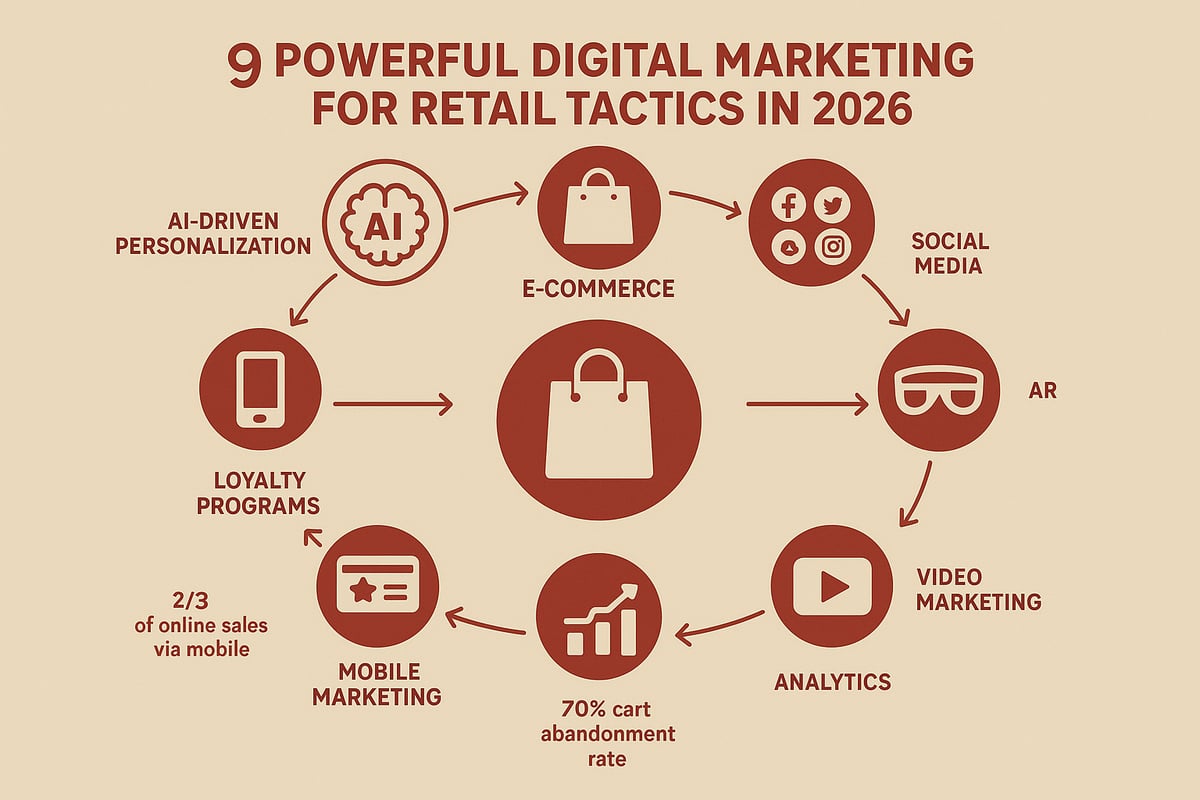
E-commerce now represents 16.4% of overall retail sales, a little above the previous record set during the pandemic. That steady shift towards online acquiring continues to reshape supply chains, driving demand for modern logistics facilities, fulfillment centers, and distribution hubs. Logistics providers and third-party distribution companies stay among the most active commercial occupants.
This trend is particularly visible in significant logistics passages and fast-growing local circulation markets where the supply of modern area stays constrained. More comprehensive financial conditions likewise enhanced as 2025 progressed. After contracting throughout the first quarter, the U.S. economy went back to development, with uarter and 4.4% in the third quarter.
A number of policy events contributed to early volatility. New tariff policies introduced uncertainty for manufacturers and importers, slowing investment decisions and industrial leasing activity throughout the second quarter. Later in the year, a 43-day federal government shutdownthe longest in U.S. historydelayed economic data releases and included more uncertainty to the marketplace environment.

Latest Posts
Developing Scalable Fulfillment Strategies for the Future
Checklist to Syncing High-Volume Stock Through Digital Frontends
WMS Ready to Handle Multi-Platform Demand Surges?